Hastinapur
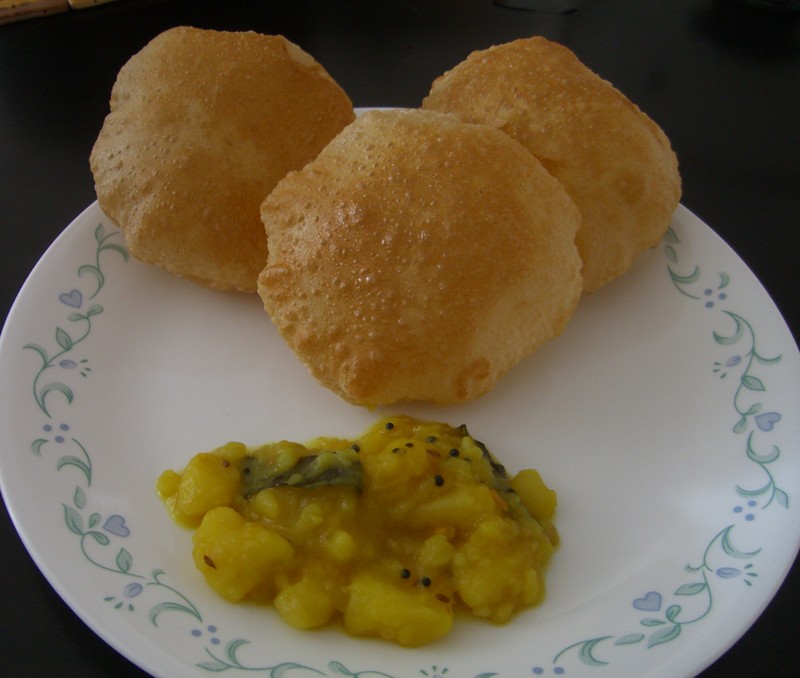
My trip home this March saw me travel to Hastinapur, which is about an hour and some minutes' drive from our place. We set off early morning, with a picnic lunch of poori-aloo, chhole and munchies stocked up in the car boot, to explore the land of the great Mahabharata! I was as excited as the kids were, for, it was after ages that I was actually 'traveling'! Almost like a 'first' time! And to top that, traveling to the land that's home to countless historic 'tales'!
I looked on with bated breath, as we entered the archway that read 'Hastinapur' Then one Jain temple lead to another...and we were yet to see the Hastinapur of yore!
Studded with 'money' in the name of makrana marble and Dhaulpur sandstone the Jain temples though, lend great architectural wealth to the entire area, have completely altered the landscape of Hastinapur!
It was nothing like the Hastinapur I had vague memories of, from my childhood, where old walls from ruins of forts and all peeped through thick woods, adding mystery to it all, not to mention, historical glimpses that aroused curiosity!
On quite some asking around and and going around in circles, on wild goose chases, we did come to some structures like a 'Karan mandir' said to be the the temple frequented by none other than the great warrior Karan. A small (insignificant looking) one room structure that looked quite recent especially with the dark 'pink' paint! I still can't believe it to have history! And if it does, it'll be lost soon, with the construction of attachments adjoining it, in progress, as part of it's restoration and beautification plan/project. Why would one need construction new rooms added to a so called historical 'building' to restore it?! Why do we need to 'renovate it?!
We also arrived at 'Draupadi Ghat' a small, agian--recent looking one room temple like structure with a sewage pond/tank to one side, with some dilpidated steps leading into it! A very narrow brick lined 'road' with farms on either side, led to 'Draupadi Mandir' the temple Draupadi probably visited, having bathed at Draupadi Ghat. Again, a very small structure--too small to be associated to the mighty Pandavas, just like the Ghat and Karan Mandir! The 'shiv ling' nested within, is said to have emerged naturally, in its current form/shape, being a part of a huge rocky hillock below the ground.
We some how missed exploring the 'Pandav Paul' which looked equally recent, with the same recent dark, reddish pink paint...it was nearing sunset, and we didn't want to undergo any risks, for the disappointment we were sure, was in store, for us, there!
We did have a great time picnicking in the monkey-infested lawns of Jambudweep, (with monkeys aiming at our food on all sides!) and visiting various structures there, especially climbing up the tall minar (tower). Visiting some other magnificent Jain temples including Kailash Parvat temple, (Kailash Parvat/hill is the salvation place of the first Teerthankar Bhagwan Rishabha Dev), Astapad temple and the old Digambar Jain temple added on to out happy day at Hastinapur, not to mention clicking loads of pictures wherever allowed.
Meeting Ravi, an affectionate kid who helped ward off the monkeys, and later became our tourist guide was another highlight of the day well spent! We drove back to Meerut, past dusk, playing antakshari--kids and grown-ups alike, lending more color to the beautiful day we spent (though 'walking into the history of Hastinapur' remained a disappointed dream)!
I looked on with bated breath, as we entered the archway that read 'Hastinapur' Then one Jain temple lead to another...and we were yet to see the Hastinapur of yore!
Studded with 'money' in the name of makrana marble and Dhaulpur sandstone the Jain temples though, lend great architectural wealth to the entire area, have completely altered the landscape of Hastinapur!
It was nothing like the Hastinapur I had vague memories of, from my childhood, where old walls from ruins of forts and all peeped through thick woods, adding mystery to it all, not to mention, historical glimpses that aroused curiosity!
On quite some asking around and and going around in circles, on wild goose chases, we did come to some structures like a 'Karan mandir' said to be the the temple frequented by none other than the great warrior Karan. A small (insignificant looking) one room structure that looked quite recent especially with the dark 'pink' paint! I still can't believe it to have history! And if it does, it'll be lost soon, with the construction of attachments adjoining it, in progress, as part of it's restoration and beautification plan/project. Why would one need construction new rooms added to a so called historical 'building' to restore it?! Why do we need to 'renovate it?!
We also arrived at 'Draupadi Ghat' a small, agian--recent looking one room temple like structure with a sewage pond/tank to one side, with some dilpidated steps leading into it! A very narrow brick lined 'road' with farms on either side, led to 'Draupadi Mandir' the temple Draupadi probably visited, having bathed at Draupadi Ghat. Again, a very small structure--too small to be associated to the mighty Pandavas, just like the Ghat and Karan Mandir! The 'shiv ling' nested within, is said to have emerged naturally, in its current form/shape, being a part of a huge rocky hillock below the ground.
We some how missed exploring the 'Pandav Paul' which looked equally recent, with the same recent dark, reddish pink paint...it was nearing sunset, and we didn't want to undergo any risks, for the disappointment we were sure, was in store, for us, there!
We did have a great time picnicking in the monkey-infested lawns of Jambudweep, (with monkeys aiming at our food on all sides!) and visiting various structures there, especially climbing up the tall minar (tower). Visiting some other magnificent Jain temples including Kailash Parvat temple, (Kailash Parvat/hill is the salvation place of the first Teerthankar Bhagwan Rishabha Dev), Astapad temple and the old Digambar Jain temple added on to out happy day at Hastinapur, not to mention clicking loads of pictures wherever allowed.
Meeting Ravi, an affectionate kid who helped ward off the monkeys, and later became our tourist guide was another highlight of the day well spent! We drove back to Meerut, past dusk, playing antakshari--kids and grown-ups alike, lending more color to the beautiful day we spent (though 'walking into the history of Hastinapur' remained a disappointed dream)!